
In Austin, it’s pretty normal to come across a spider or two. With the hot Texas climate and diverse terrain, many species of spiders thrive here. Some help control pests around your yard, but others are venomous spiders you don’t want sticking around.
Knowing what’s crawling in and around your home helps you decide whether you need to act or just leave them be.
This guide walks you through identifying the most common spiders in Austin homes and what you can do to prevent a spider infestation before it takes hold.
Key Takeaways
- Some spiders in Austin are harmless, but others, like black widows and brown recluses, can pose health risks.
- Most common spiders hide in quiet places like garages, basements, attics, woodpiles, closets, and cluttered indoor areas.
- You can prevent spiders by sealing gaps, reducing clutter, managing your yard, and limiting their food sources.
- Pest control experts in Austin can safely remove spiders and create a plan to keep them from returning.
Common Types of Spiders You Might Find in Your Austin Home
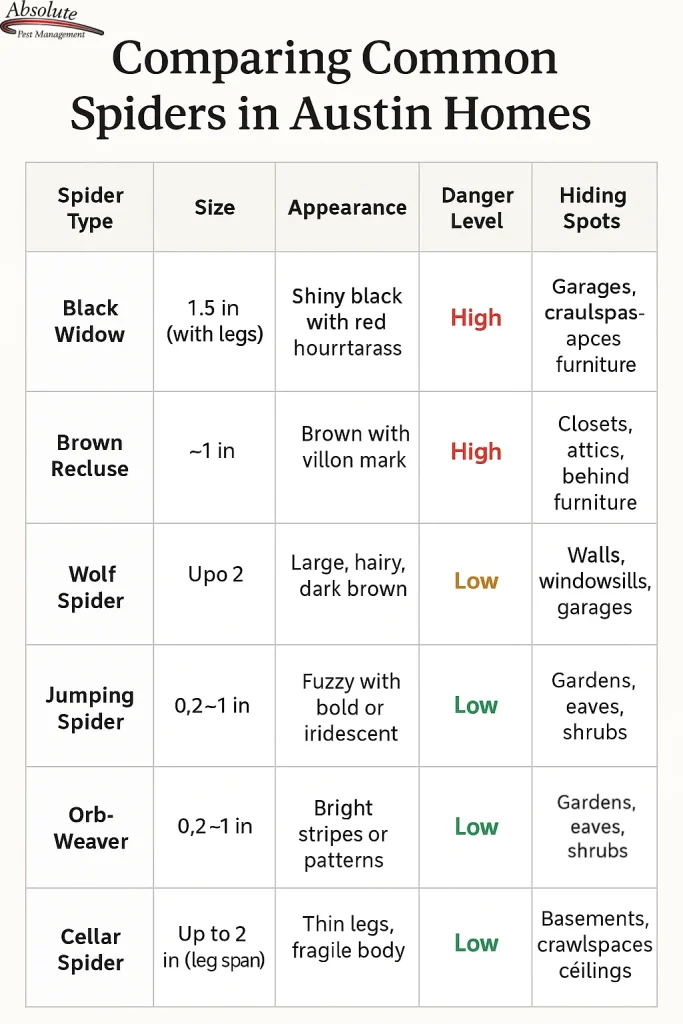
Spiders are a regular part of life in Central Texas, but not all of them belong inside your home. Here are some of the most common ones you might run into—and how to tell them apart.
Black Widow Spiders

The black widow spider is one of the most venomous spiders in North America. You can usually identify a female black widow by her shiny black body and the red hourglass shape on the underside of her abdomen.
You’ll often find their messy cobwebs in quiet spots like garages, crawlspaces, and basements. While they’re not aggressive, their bites can cause severe symptoms like muscle cramps, nausea, and allergic reactions in some people.
If you find one near your home, avoid touching it and consider calling in a black spider control expert.
Brown Recluse Spiders

The brown recluse spider prefers dark, undisturbed areas like attics, closets, and behind furniture. It is light to dark brown and features a violin-shaped mark behind its head.
The venom of brown recluse bites can lead to necrosis, tissue damage that may take weeks to heal. These spiders are quiet and reclusive, but they can pose a serious threat if they feel trapped.
Homeowners across Texas, especially in central cities like Austin and even San Antonio, should stay alert for signs of this species.
Wolf Spiders

The Carolina wolf spider is among the most common spiders found in Texas homes. This large, dark brown spider is hairy with thick front legs and is often mistaken for a tarantula.
Unlike web-builders, wolf spiders hunt on foot and tend to hang out near baseboards, burrows, and woodpiles around your yard. They’ll bolt if you get too close, but that doesn’t mean you want them inside.
Jumping Spiders
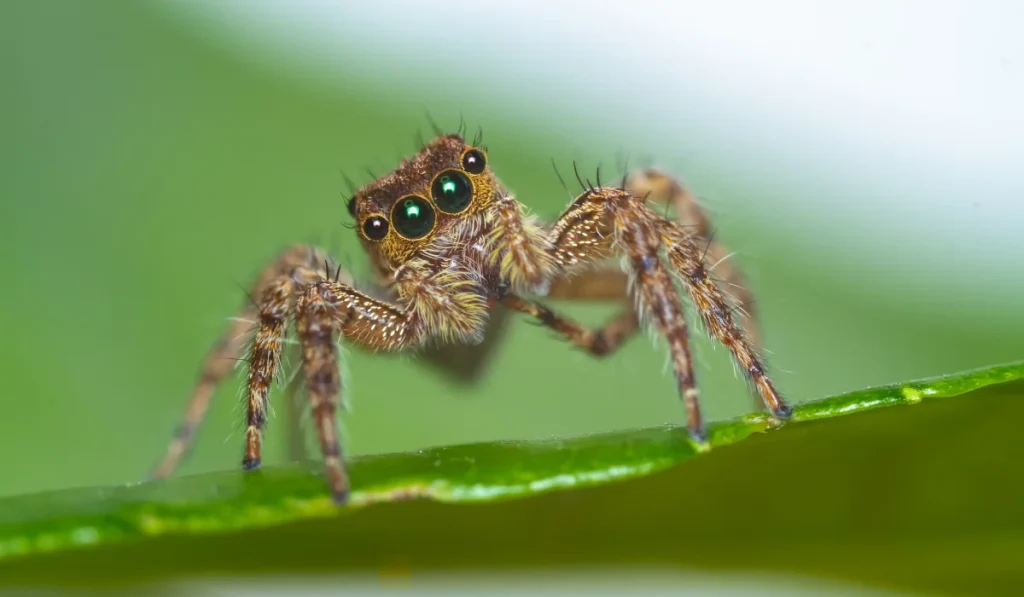
Jumping spiders are small, compact, and agile. These tiny arachnids are curious and often seen perched on walls or windowsills in the daylight. Their front legs are usually longer than the rest, and they often appear fuzzy with bright markings.
Though their behavior may seem bold, jumping spiders aren’t harmful. They’re one of the most common house spiders in Austin and can be found both indoors and out.
Orb-Weaver Spiders
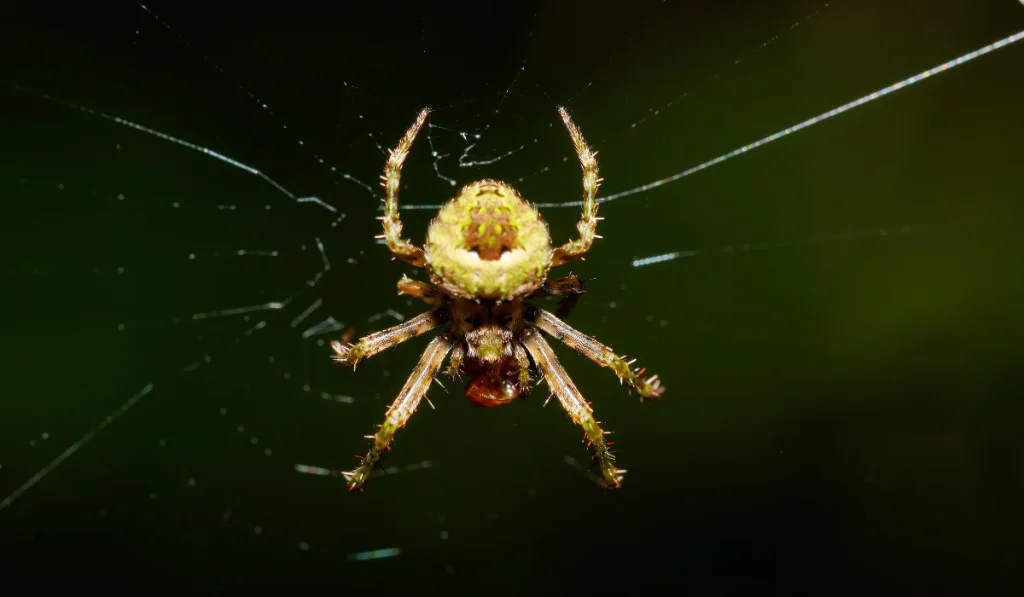
Also known as the garden spiders, this species spins large, classic spiral webs in your backyard or porch. They range in color but often have bold stripes or bright patterns. They’re usually seen near eaves, tall grass, or shrubs.
Orb weavers are good at keeping flying insects in check, but because of their size and appearance, they often give homeowners a scare.
Cellar Spiders
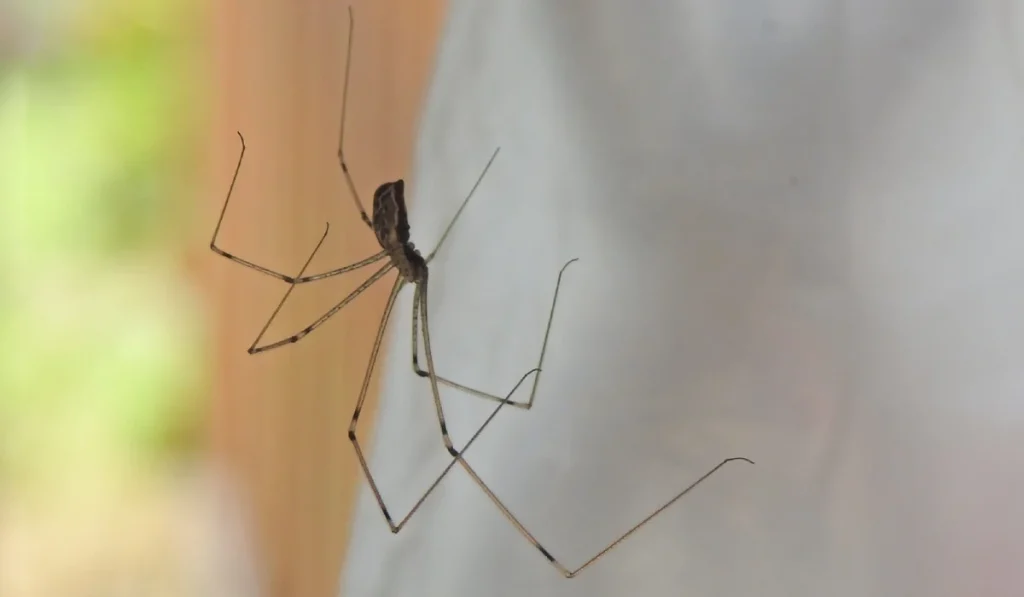
Cellar spiders—often called daddy long legs—are common in crawlspaces and basements. They spin webs and hang upside down, often in clusters.
While they look fragile with long, thin legs, they’re hardy and survive well in humid indoor spaces. They’re not to be confused with harvestmen, another arachnid with a similar look but a solid body.
How to Prevent Spider Infestations in Austin Homes
Spiders show up where conditions suit them—quiet corners, cluttered spaces, and a steady food source. Here’s what you can do to make your home less welcoming to them:
Keep Garages and Storage Areas Tidy
Garages, sheds, and attics tend to collect clutter—boxes, tools, old clothes—all perfect hiding places for spiders. Tarantulas and wolf spiders, in particular, may seek shelter in these spots.
Regularly clearing out unused items and switching from cardboard to plastic bins can make a big difference.
Manage Your Yard
Spiders like grass spiders and orb weavers thrive in tall grass, thick mulch, and woodpiles. Trim back vegetation, keep your lawn cut, and store firewood off the ground and away from your home.
You’ll also help reduce the number of insects that spiders feed on—cutting off their food supply.
Keep Pests Under Control
Spiders follow the food. If you have a termite issue, ants, or flying insects, you’ll likely draw in predators like spiders and even scorpions. Investing in professional pest control services keeps your home from becoming a buffet for arachnids.
A regular inspection can also help detect early signs of spider problems before they become a full-blown infestation.
Let Local Experts Help You With Spider Control
You don’t need to live with spiders crawling through your garage or spinning webs in your attic. At Absolute Pest Management, we have been helping Austin homeowners tackle spider infestations for years.
Whether you’re dealing with a dangerous spider bite concern or just trying to stop spiders from nesting under your eaves, we’ve got the tools and know-how to help. Our team knows how to identify Texas species of spiders and build a spider control plan tailored to your home.
If you’re seeing too many eight-legged guests, let’s get ahead of it with a free quote before those cobwebs become a permanent fixture.
